
What Is Meibomian Gland Dysfunction (MGD)?
The Tiny Glands That Help Keep Your Eyes Comfortable
If your eyes frequently feel dry, irritated, or watery, a condition called meibomian gland dysfunction (MGD) may be playing a role in your dry eye symptoms.
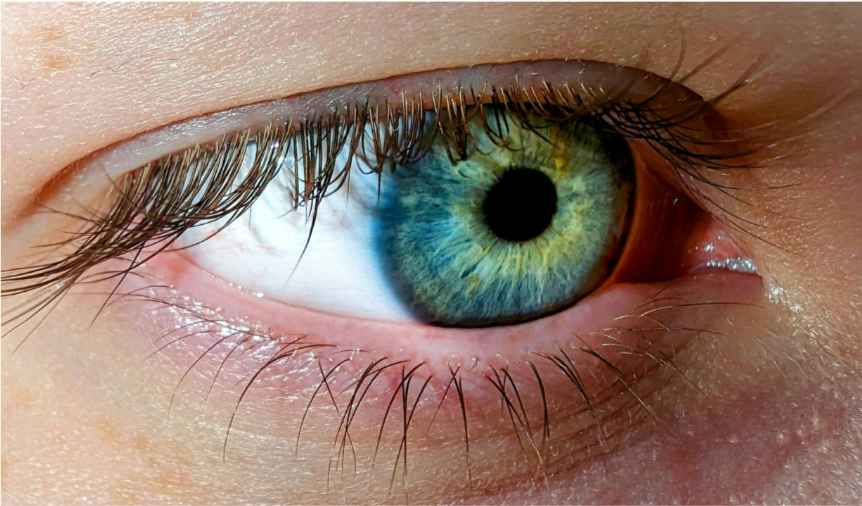
Meibomian glands are tiny oil-producing glands along the edges of your eyelids, or your waterline. They release oils that help prevent your tears from evaporating too quickly. When these glands become blocked or don’t function properly, the tear film can become unstable and lead to dry eyes.
Common Symptoms of MGD
MGD may cause:
Dry, burning, or irritated eyes
Redness
Excessive tearing
Gritty or sandy sensation
Fluctuating vision
Crusting or irritation along the eyelids
Contact lens discomfort
MGD is a common cause of dry eye disease, and many people have MGD without realizing it.
How Is MGD Treated?
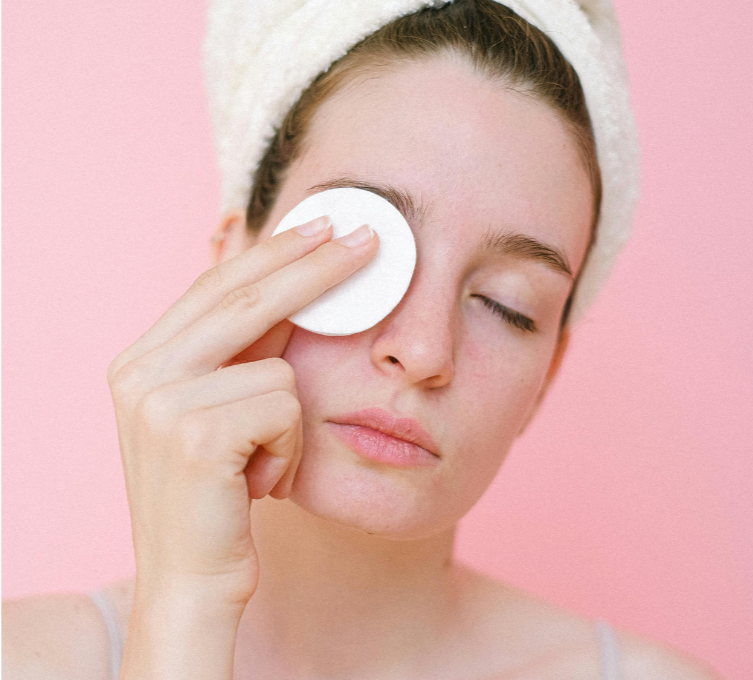
Treatment for MGD can look different from person to person, depending on how severe it is and how well the meibomian glands are functioning. Treatment may include improved eyelid hygiene, warm compresses, artificial tears, prescription medications, or in-office treatments designed to improve meibomian gland function.
A comprehensive dry eye assessment can help identify whether MGD may be playing a role in your symptoms and provide a clearer picture of your overall eye health.
At Iris Eyecare, we take the time to evaluate your tear quality, eyelids, and meibomian glands to better understand the true cause (or causes) of your symptoms and recommend treatment that is right for you.

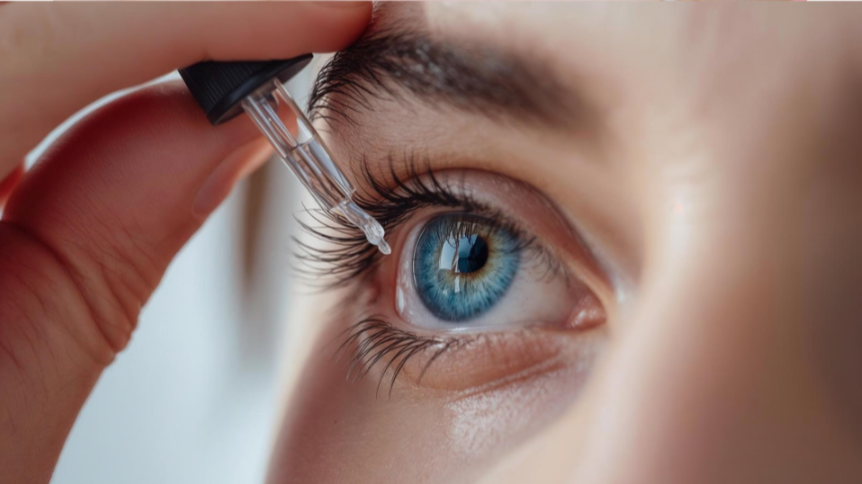
If you’re experiencing persistent dry, irritated, or watery eyes, a dry eye evaluation can help determine whether MGD may be part of the problem.