
Advanced Technology for More Thorough Eye Care
At Iris Eyecare, we use modern diagnostic technology to look beyond how well you see and get a closer look at the health of your eyes.
These technologies allow us to detect and monitor changes that may not be visible during a standard eye examination. When appropriate, advanced testing can help us identify eye conditions earlier, establish a baseline for future visits, and monitor changes over time.
Our goal isn't simply to use more technology—it's to use the right technology when it can provide meaningful information about your eye health.
OCT / Optical Coherence Tomography
See beneath the surface of the retina
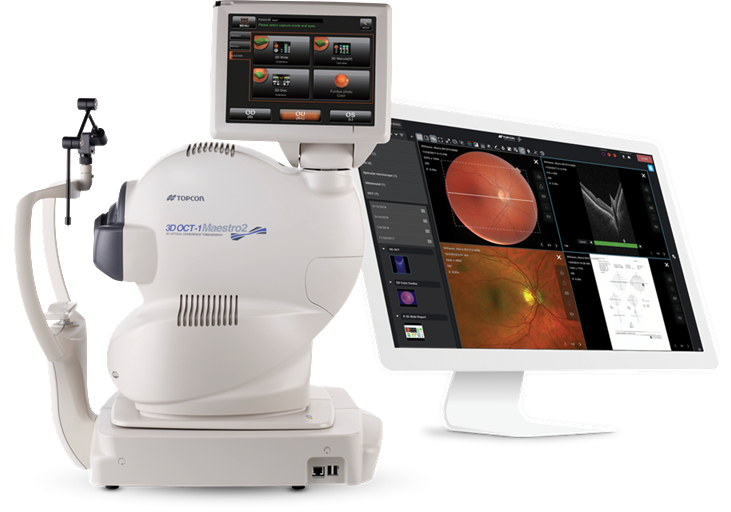
An OCT scan creates detailed, cross-sectional images of the retina and other structures inside the eye. It allows us to examine layers of tissue that cannot be seen during a routine eye examination alone.
Why it matters: OCT imaging can help detect and monitor changes associated with conditions such as glaucoma, macular degeneration, diabetic eye disease, and other retinal conditions.
The scan is quick, non-invasive, and typically takes only a few minutes.
Digital Retinal Imaging
A detailed picture of the back of your eye
Digital retinal imaging provides a high-resolution photograph of the retina, blood vessels, and optic nerve. These images give us a documented view of the back of your eye that can be reviewed during your examination and compared with images from future visits.
Why it matters: Retinal imaging can help identify signs of retinal disease and other changes that may otherwise be difficult to detect.
Visual Field Testing
Measure how well you see beyond the center of your vision
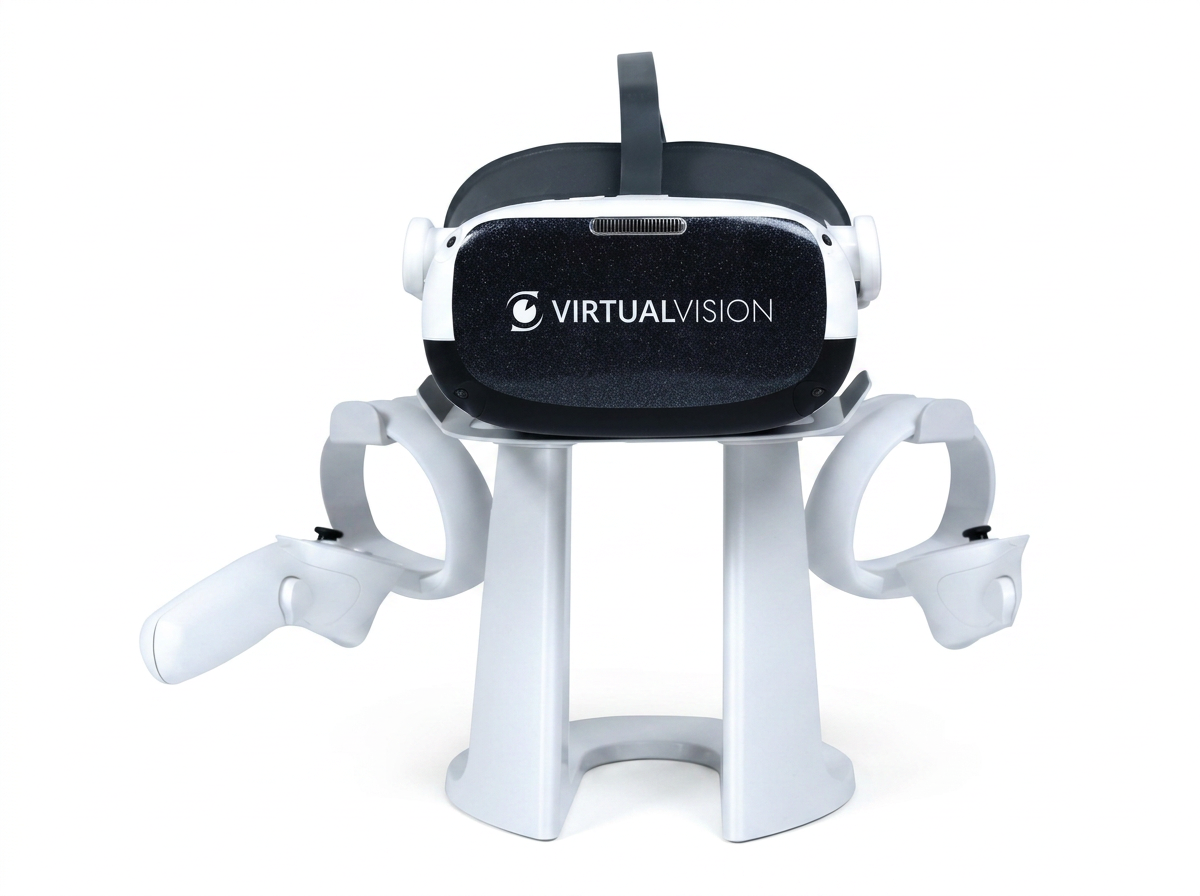
A visual field test evaluates your peripheral vision and can help identify areas of reduced sensitivity that you may not notice in everyday life.
Why it matters: Changes in peripheral vision can be an important sign of glaucoma and other neurological or eye conditions. Visual field testing can also help us monitor changes over time.